Depression is a relentless beast, lurking in the shadows and waiting to pounce when you least expect it. For years, I’ve grappled with its heavy presence, searching for ways to keep it at bay. Medication and therapy have been crucial, but there’s one tool in my arsenal that stands out: art. Creating has become my therapy, my refuge, and my lifeline. Here’s how engaging in art helps me combat depression and reclaim my sense of self.
The Therapeutic Benefits of Art
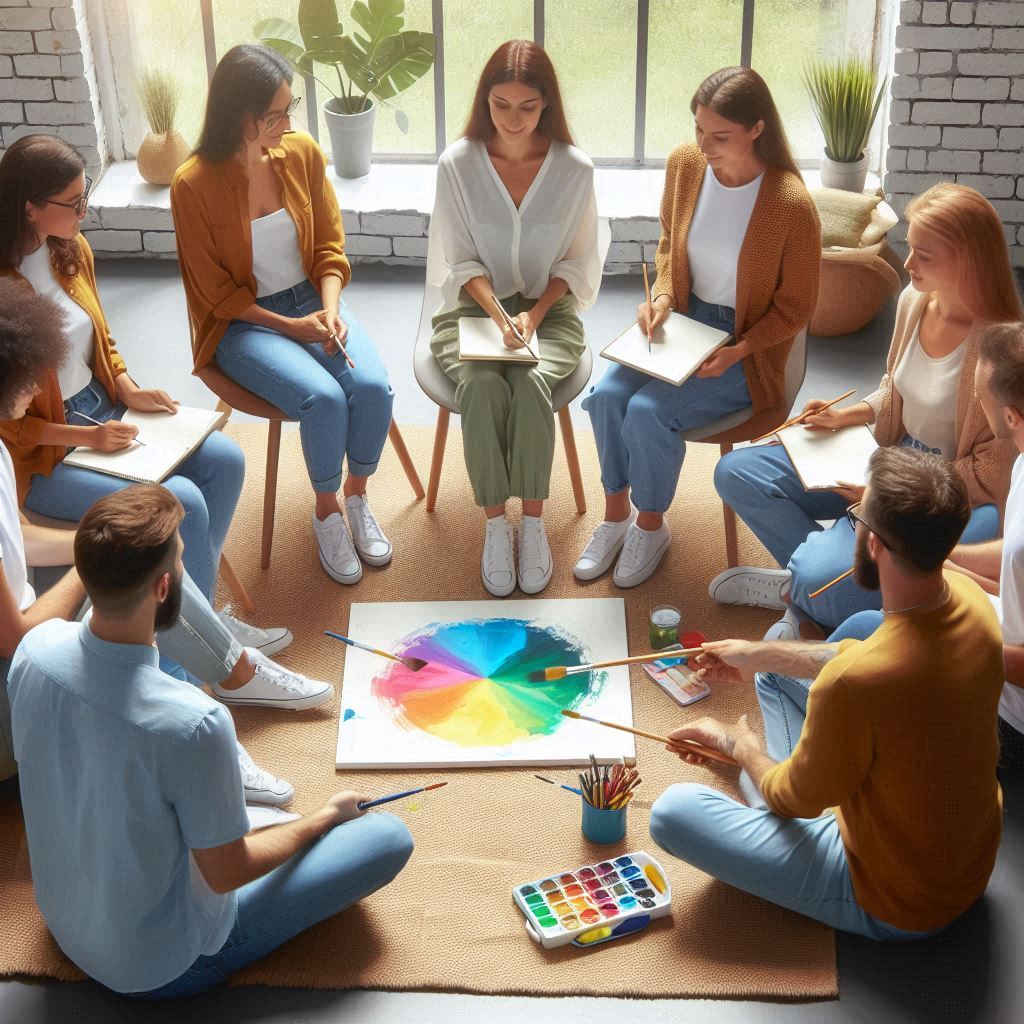
Art therapy isn’t just a buzzword; it’s a powerful method for managing mental health. The process of creating allows you to express emotions that words can’t capture. It’s a way to channel your feelings, make sense of them, and sometimes, even find beauty in the chaos. Here are a few key benefits I’ve experienced:
- Emotional Release: Pouring my emotions onto a canvas provides a much-needed outlet. When words fail, colors and shapes take over, offering a way to release pent-up feelings.
- Mindfulness: Art requires focus and attention, pulling me into the present moment. Whether I’m sketching, painting, or sculpting, I’m fully engaged, and for a little while, the weight of depression lifts.
- Accomplishment: Completing a project, no matter how small, brings a sense of achievement. It’s a reminder that I can still create, still contribute, still matter.
Personal Projects and Their Healing Impact
Over the years, I’ve embarked on numerous art projects, each one a step towards healing. Here are a few that have been particularly transformative:
1. The Gratitude Journal
During a particularly rough period, I started a gratitude journal. But instead of writing, I illustrated it. Each day, I’d draw something I was thankful for, no matter how small. One day it was a warm cup of coffee, another day it was the comforting embrace of my blanket. This practice helped shift my focus from what was wrong to what was right, fostering a more positive mindset.
2. The Emotion Series
I began a series of abstract paintings, each representing a different emotion. Anger was a canvas filled with bold, jagged strokes of red and black. Sadness was a wash of blues and purples, blending together in a melancholy dance. This series allowed me to explore and externalize my feelings, creating a visual diary of my emotional landscape. It was incredibly cathartic and provided a tangible way to understand my inner turmoil.
3. Nature Sculptures
On days when being indoors felt stifling, I took my art outside. I started creating sculptures from natural materials—twigs, leaves, stones. The act of gathering materials was meditative, and working with nature’s bounty grounded me. These ephemeral pieces connected me to the earth and reminded me of the beauty and transience of life.
How Art Continues to Help
Even now, art remains a crucial part of my mental health regimen. It’s my go-to when the darkness feels overwhelming. Here’s how I integrate it into my life:
- Daily Sketching: I keep a sketchbook with me at all times. Whenever I feel anxiety creeping in or a depressive episode looming, I sketch. It doesn’t matter what—doodles, faces, abstract patterns. The act of drawing calms my mind and centers me.
- Art Journaling: Combining words and images, my art journal is a safe space where I can be honest with myself. I use it to process my thoughts, set intentions, and track my emotional journey.
- Community Projects: Engaging with other artists through community projects or workshops has been incredibly uplifting. Sharing my work and seeing others’ creations fosters a sense of connection and support.
Conclusion: The Healing Power of Creativity
Art is more than just a hobby; it’s a lifeline. It helps me navigate the tumultuous seas of depression, offering a beacon of light and hope. Creating art is a powerful form of self-expression and healing, allowing me to process emotions, find moments of peace, and celebrate small victories.
If you’re struggling with depression, I encourage you to explore art as a form of therapy.
You don’t have to be a professional artist to benefit from the therapeutic effects of creativity.
Grab a pen, a brush, or some clay, and let your emotions flow. You might just find that in the process of creating, you discover a path to healing.



 Soul Scribbles
Leave a comment