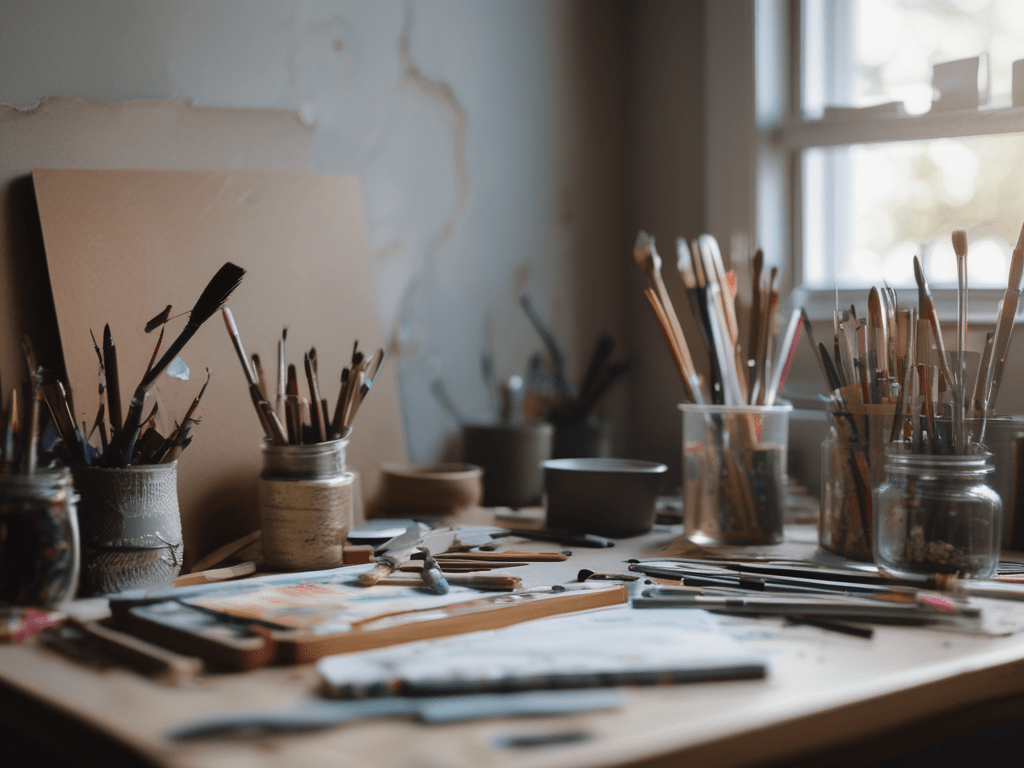
Creativity and depression—a dynamic duo that’s both a blessing and a curse. If you’re an artist dealing with depression, you know what I mean. Art can be a refuge, a safe haven where you pour out your emotions and find some semblance of peace. Yet, it can also be a daunting challenge, a mirror reflecting your darkest thoughts. Let’s dive into this bittersweet relationship and how I’ve learned to navigate it.
The Refuge: Art as a Sanctuary

When the weight of the world feels unbearable, art becomes my escape. It’s a way to translate the chaos in my mind into something tangible, something I can control. During my lowest points, I’ve found solace in painting, sketching, and writing. The process of creating allows me to externalize my emotions, giving them a voice when words fail.
I remember one particularly rough patch where everything seemed bleak. Getting out of bed felt like a Herculean task, and the idea of facing the day was overwhelming. But my easel was there, a silent companion waiting for me. I spent hours mixing colors and letting my brush move instinctively across the canvas. The result wasn’t a masterpiece, but it was a reflection of my inner turmoil—a raw, honest piece that helped me process my feelings.
Art gives me a sense of purpose and direction when everything else feels out of control. It’s a reminder that even in the darkest times, I have the power to create beauty. It’s my therapy, my meditation, my way of finding light in the shadows.
The Challenge: Art as a Mirror
However, the relationship between depression and creativity isn’t all rosy. There are days when the very thought of creating feels insurmountable. Depression saps my energy and motivation, making even the simplest task feel monumental. On those days, my art supplies gather dust, and the blank canvas becomes a symbol of my struggle.
Creating art can also be confronting. It forces me to face my emotions head-on, which isn’t always pleasant. There have been times when I started a project only to abandon it halfway because the emotions it stirred up were too intense. Art can be a mirror, reflecting not just the beauty but also the pain and suffering within.
Personal Experiences: The Rollercoaster of Creativity

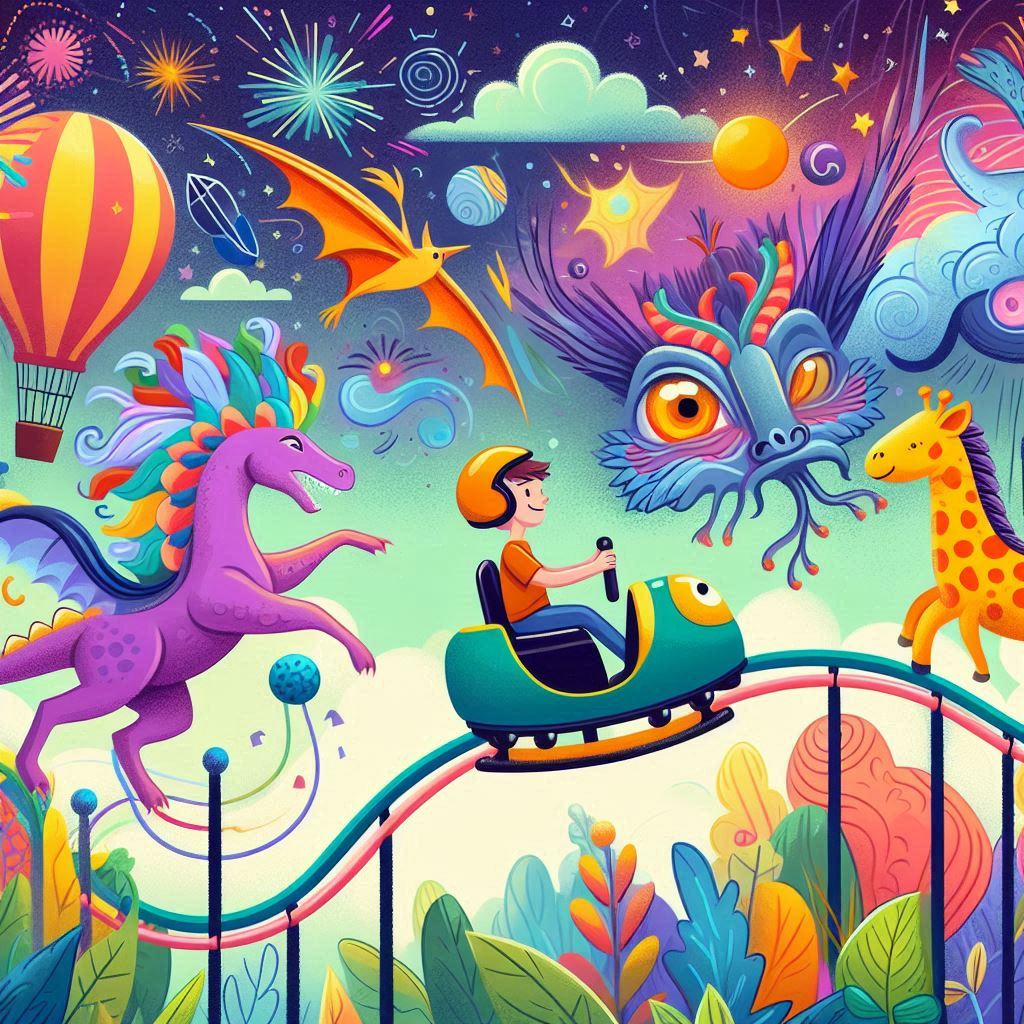
Navigating the highs and lows of creativity and depression is like riding a rollercoaster. There are exhilarating peaks where ideas flow effortlessly, and I’m in a state of pure creative bliss. Then, there are the plunging lows where my mind feels like a foggy wasteland, and creativity seems like a distant memory.
One strategy that’s helped me is setting small, achievable goals. On days when my energy is low, I aim to do just a little—maybe a quick sketch or jotting down a few ideas. This keeps me engaged with my art without overwhelming myself. It’s about finding balance and being gentle with myself.
Another coping mechanism is creating without judgment. I’ve learned to let go of the need for perfection and allow myself to create purely for the sake of expression. Some of my most meaningful pieces have come from moments of raw, unfiltered emotion. They may not be technically perfect, but they’re honest reflections of my journey.
Coping Strategies: Finding Balance
- Set Realistic Goals: Break down your creative process into small, manageable steps. Celebrate each tiny achievement, no matter how insignificant it might seem.
- Create Without Pressure: Give yourself permission to create without worrying about the outcome. The act of creating is therapeutic in itself.
- Find Routine: Establish a routine that incorporates creativity, even if it’s just a few minutes a day. Consistency can provide a sense of stability.
- Seek Support: Don’t be afraid to reach out for support, whether it’s friends, family, or a therapist. Sometimes, talking about your struggles can lighten the load.
- Embrace Imperfection: Remember that your art doesn’t have to be perfect. It’s a reflection of your journey, with all its ups and downs.
Conclusion: The Melancholy Muse
The relationship between depression and creativity is intricate and multifaceted. Art can be both a refuge and a challenge, a means of expression and a mirror to our deepest emotions. By embracing this complexity, I’ve learned to navigate the turbulent waters of my mind and find beauty in the chaos.
If you’re a fellow creative soul dealing with depression, know that you’re not alone. Embrace your melancholy muse and let your creativity guide you through the darkness. There is light to be found, even in the most unexpected places.



 Soul Scribbles
Leave a comment